Above the tree line, the world goes quiet.
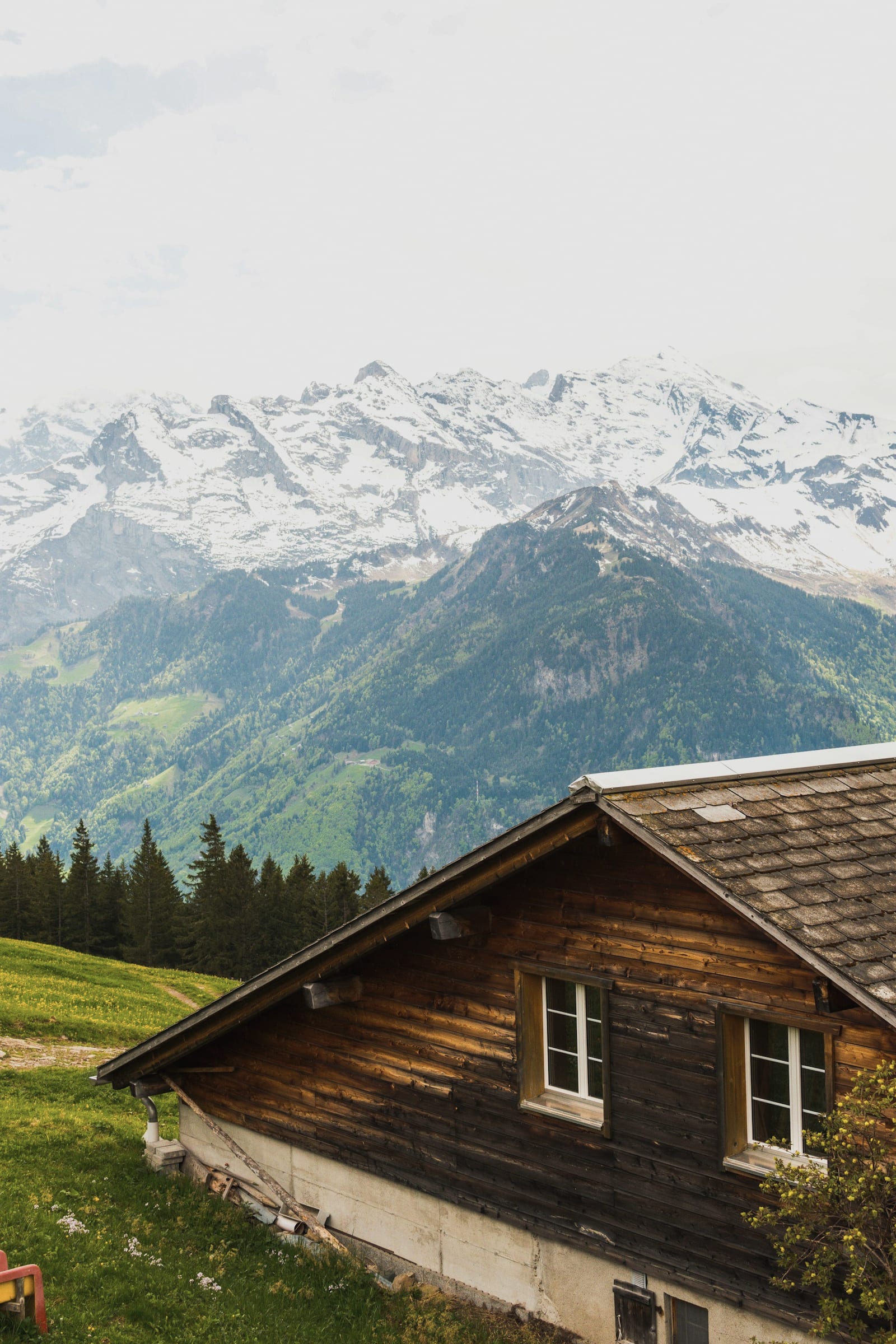
The Swiss Alps are less a single place than a run of valleys, each with its own weather and its own manners. Zermatt sits under the Matterhorn with no cars and one cog railway. St. Moritz keeps to the Engadine, high and dry and bright. Gstaad hides in the Bernese Oberland, all chalets and larch and a long green season. The distances are short; the differences are not.
You come for the mountain and stay for the quiet around it. Days are simple here — snow or sun, a cable car, a long lunch at altitude, a walk back down through the light. The luxury is in how little you have to arrange, and how well the parts fit.
Why Our Clients Go
Our clients go to Switzerland for the certainty of it. The lifts run to the minute. The snow arrives on schedule, or is made when it doesn't. And a hotel that has held the same families for four generations knows how to keep a table at the mountain restaurant that turns everyone else away, and which room on which floor takes the Matterhorn at first light.
We know the difference between the three St. Moritz seasons, and why the frozen-lake fortnight in February is a different town from the empty, walkable September. We know which Zermatt hotel sends a porter down to the train, since the village takes no cars, and which suites at the Suvretta House look down the valley rather than into the slope. Small facts, and they decide the week.
Because a hotel never pays us, our advice runs only one way. When we tell you the higher room is worth it, or that the season you had in mind is the wrong one, that is the whole of the reason.
How We Arrange It
- 01From London, SWISS business into Zurich or Geneva; from New York and the Gulf, SWISS First or Lufthansa First through Zurich, Frankfurt and Munich. We hold the front cabin and the ground service that meets the aircraft and clears you through in minutes.
- 02The old houses, and the right rooms within them: Badrutt's Palace and the Suvretta House in St. Moritz, the Mont Cervin Palace and The Omnia in Zermatt, the Gstaad Palace above its village. We ask for the corner suites that hold the mountain in the window rather than the courtyard.
- 03Zermatt takes no cars. A private car from the airport to Täsch, then the porter and the last mile by rail; or, from Sion, a twelve-minute helicopter over the valley to the village pad.
- 04A private guide for the morning off-piste, and a one o'clock table held at the small kitchen above the tree line — the forty-seat room that turns the rest of the mountain away.
- 05One number for the whole week, answered within twelve hours — the weather that changes the plan, the connection that slips, the table moved an hour on.
When To Go
Deep Winter, January to February
The most certain snow and the shortest, bluest light. St. Moritz holds polo and horse racing out on the frozen lake; Zermatt skis the glaciers well above the cloud. The best rooms are gone a year ahead.
Spring Skiing, March to April
The light lengthens and the terraces open. The high glacier resorts keep their snow into April while the valleys turn green below — firm mornings, warm afternoons, half the crowd of February.
High Summer, July to August
The other Alps. Wildflower meadows, cog railways to the passes, and long lunches at altitude with the lifts running for walkers rather than skiers. The Engadine stays dry and bright; the Oberland is greener and softer.